

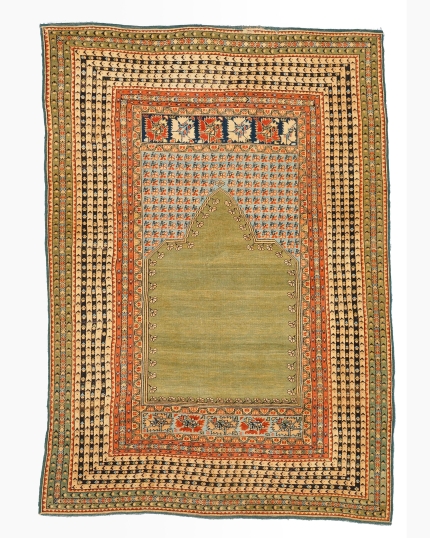
Antique Konya Rug
Period: Late 18th Century
Origin: Konya, Turkey
Dimensions : 115 x 165 cm
This rare late 18th century Anatolian Konya Ladik rug highlights a powerful and rhythmic geometric composition featuring a vibrant madder red mihrab (prayer niche) defined by a stepped, white-outlined arch. This structural balance between the saturated central niche and the complex upper panels—decorated with stylized “tree of life” or botanical motifs in blue and yellow—reflects the pinnacle of the Central Anatolian village weaving tradition. Ladik rugs of this period are world-renowned for their bold, high-contrast aesthetics and the creative transformation of classical architectural forms into a robust folk-art language.
The color palette is masterfully balanced, featuring an orange primary border that serves as a dramatic canvas for high-contrast shifts of forest green, violet, golden yellow, and ivory. These rich and enduring tones, achieved through the expert application of natural dyes over 130 years ago, exhibit a chromatic strength and a saturated depth that are hallmarks of the finest late 18 th century Turkish productions. The inclusion of a wide primary border decorated with a rhythmic sequence of large, multi-colored geometric rosettes creates a precise visual frame that highlights the superior wool quality and distinctive technical finesse of the village weavers.
Structural analysis indicates the use of robust hand-spun local wool with a characteristically plush pile and a resilient handle. The exceptional clarity of the angular outlines—including the intricate geometric filler motifs within the green spandrels—and the presence of significant, harmonious abrash within the red and orange sections definitively distinguish this antique masterpiece from later commercial examples. Ultimately, this Konya Ladik rug stands as a premier example of Anatolian tribal art, representing a peak in both technical endurance and graphic majesty for global textile collectors.
Stock No : 1554
Related products
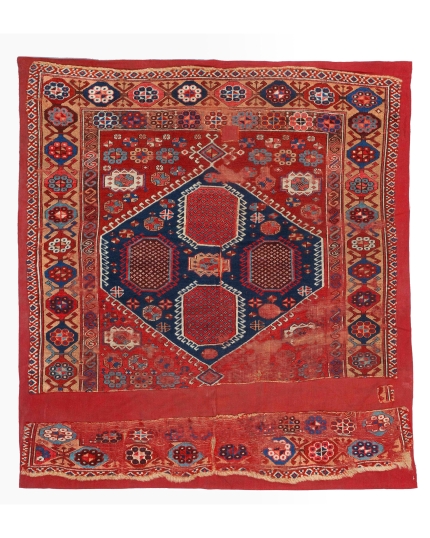
Antique Sivas Fragment
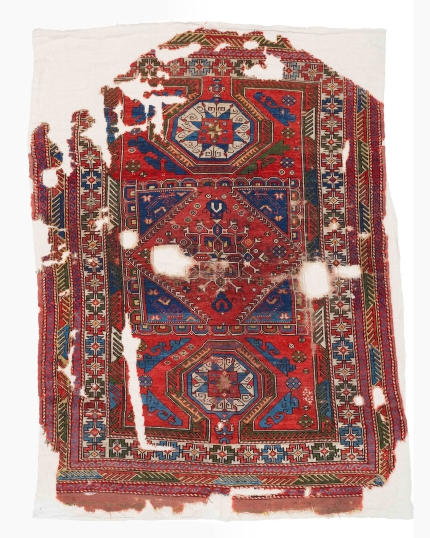
Antique Bergama Fragment
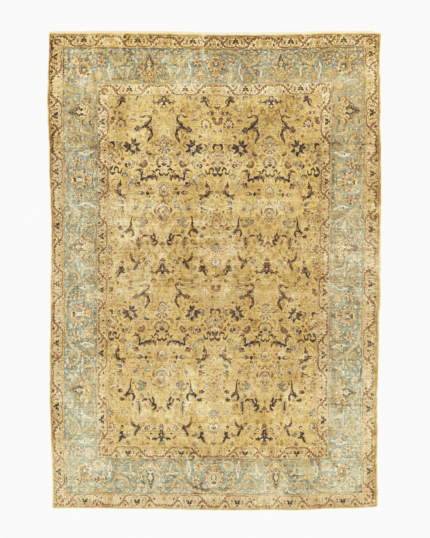
A Kum Kapi Silk and Metal Thread Rug
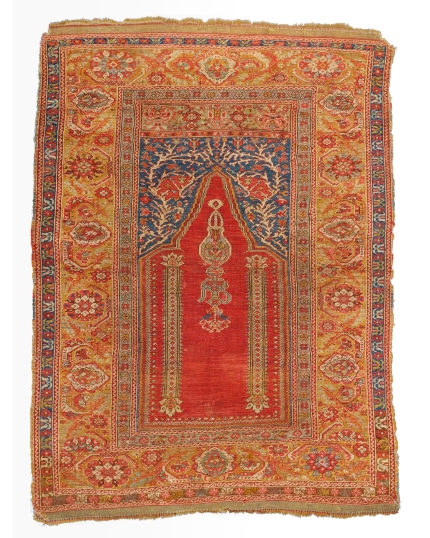
Antique Ghordes Prayer Rug

18th Century Aksaray Prayer Rug




 Mimar Mehmetağa Cad. No:10 Sultanahmet / ISTANBUL