


| Size |
350 x 90 cm |
|---|

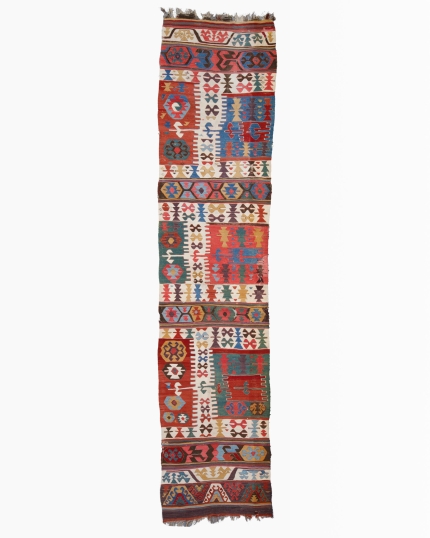
Antique Central Anatolian Kilim
Period: 18th Century
Origin: Central Anatolia
Dimensions: 350 x 90 cm
This rare 18th century Central Anatolian kilim fragment highlights a powerful and rhythmic tribal composition featuring a series of monumental “parmaklı” or finger like geometric motifs rendered in alternating shades of madder red and indigo blue anchored within a luminous ivory field. This structural balance between the large scale repeating medallions and the secondary anthropomorphic “elibelinde” figures reflects the pinnacle of the early Anatolian nomadic flatweaving tradition. Textiles of this extreme antiquity are world renowned for their archaic artistic language and their status as essential historical documents of Oghuz Turkic cultural heritage.
The color palette is masterfully balanced featuring a primary ivory ground that serves as a dramatic canvas for high contrast shifts of saturated madder red turquoise blue and golden ochre. These rich and enduring tones achieved through the expert application of natural dyes over two centuries ago exhibit a chromatic strength and a saturated depth that are hallmarks of the finest 18th century regional productions. The inclusion of a distinctive lateral border containing a rhythmic sequence of reciprocating multicolored floral rosettes creates a precise visual frame that highlights the superior wool quality and the technical finesse of the ancient weavers.
Structural analysis indicates the use of premium hand spun local wool with a characteristically fine slit tapestry weave and a flexible yet substantial handle. The exceptional clarity of the geometric outlines specifically the sharply rendered serrated edges of the central motifs and the precisely executed guard borders definitively distinguishes this antique masterpiece as an authentic 18th century Central Anatolian kilim. Ultimately this fragment stands as a premier example of Turkish textile history representing a peak in both technical endurance and graphic majesty for global collectors.
Additional information
Related products
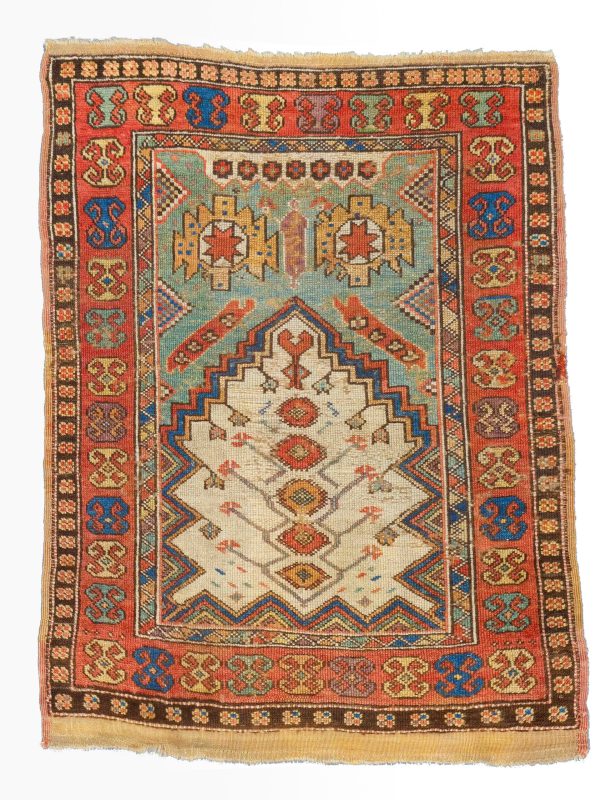
Antique Konya Rug
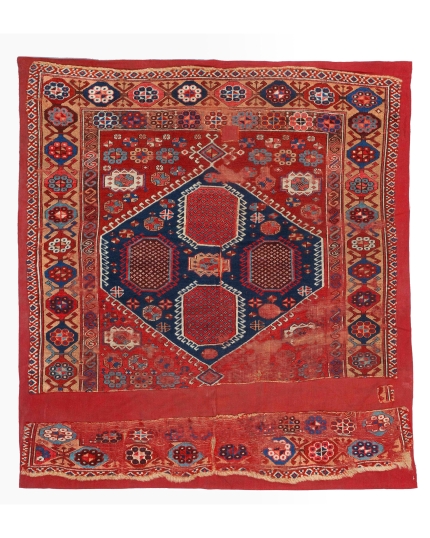
Antique Sivas Fragment
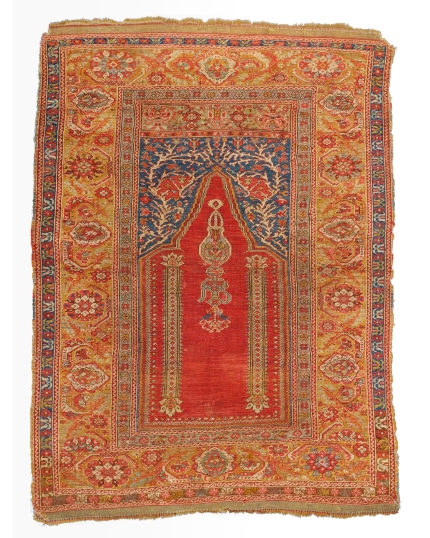
Antique Ghordes Prayer Rug
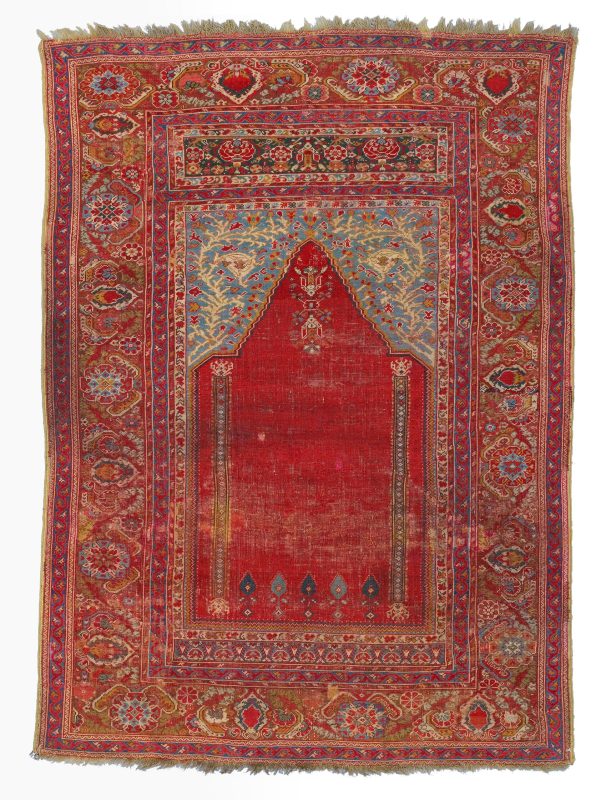
Antique Ghordes Prayer Rug
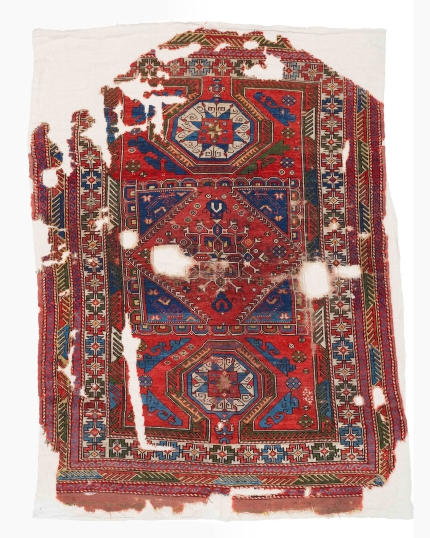
Antique Bergama Fragment
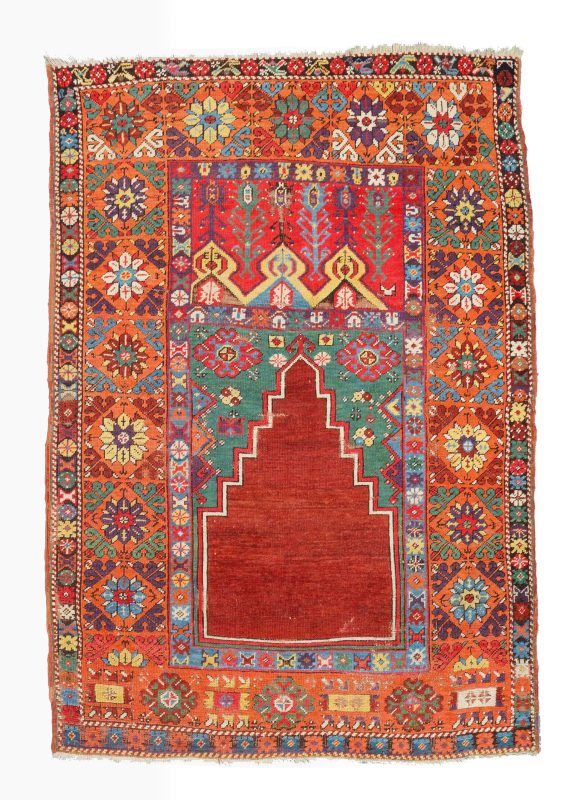
Antique Konya Rug



 Mimar Mehmetağa Cad. No:10 Sultanahmet / ISTANBUL