


Antique Lambalo Rug
Period: 1912
Origin: Caucasus
Dimensions: 165 x 252 cm
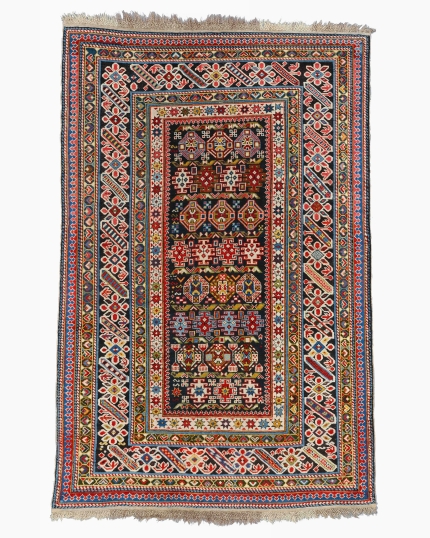
This dated (1912) early 20th century Caucasian rug, dated specifically to 1912, highlights a powerful and vertically oriented composition featuring three monumental octagonal medallions set against a vibrant madder red field. This structural balance between the large, geometric medallions—rendered in deep indigo and ivory—and the secondary tribal motifs, such as stylized quadrupeds and stars, reflects the enduring nomadic aesthetic of the Shirvan or Gendje regions. The presence of inscribed dates and initials (“1912” and “1329” in the Islamic calendar) provides rare and definitive historical context, marking this piece as a significant transitional artifact from the late Czarist era.
The color palette is masterfully balanced, featuring a primary saturated red ground that serves as a dramatic canvas for the high contrast shifts of royal blue, golden yellow, emerald green, and pristine ivory. These bold and enduring tones, achieved through the expert application of natural dyes at a time when synthetic alternatives were becoming common, exhibit a chromatic brilliance and clarity that are hallmarks of the finest Caucasian workshop productions. The inclusion of a complex, multi banded primary border featuring a rhythmic “running dog” or wave motif and a wide ivory guard band creates a precise visual frame that highlights the superior wool quality and distinctive technical finesse of the weaver.
Structural analysis indicates the use of robust, hand spun local wool with a characteristically even pile and a resilient handle. The crisp clarity of the geometric outlines and the presence of significant abrash (natural tonal variation) throughout the red and blue fields definitively distinguish this antique masterpiece from mass produced commercial rugs. The presence of authentic aging signs and the inscribed date serve as physical verification of its 1912 origin and its status as a premier cultural artifact of the South Caucasian textile heritage.
Ultimately, this Caucasian rug stands as a premier example of tribal geometric art, representing a peak in both technical endurance and graphic power during a period of great historical change. Its technical integrity, monumental medallion composition, and rare dated inscriptions make it a priceless cultural treasure for global textile collectors. The bold presence and historical narrative of this piece make it not only a serious investment but a breathtaking centerpiece, preserving the legacy of the Caucasian master weavers for future generations.
Related products

Antique Sevan Kazak Rug
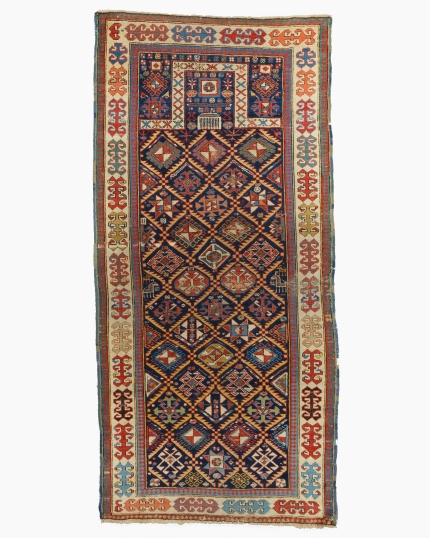
Antique Akstafa Prayer Rug

Antique Kuba Shirvan Rug
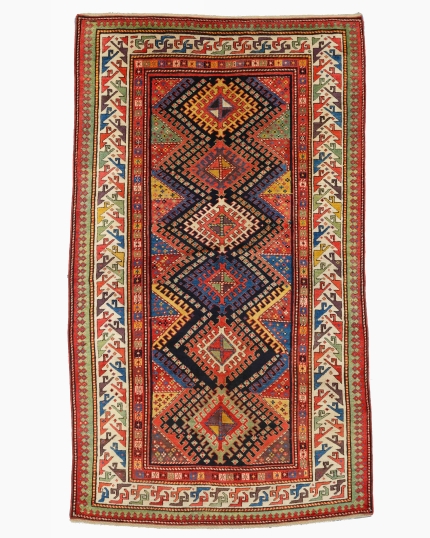
Antique Moghan Rug
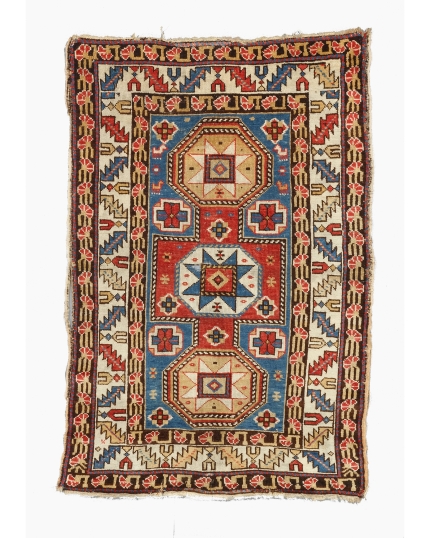
Antique Shirvan Rug
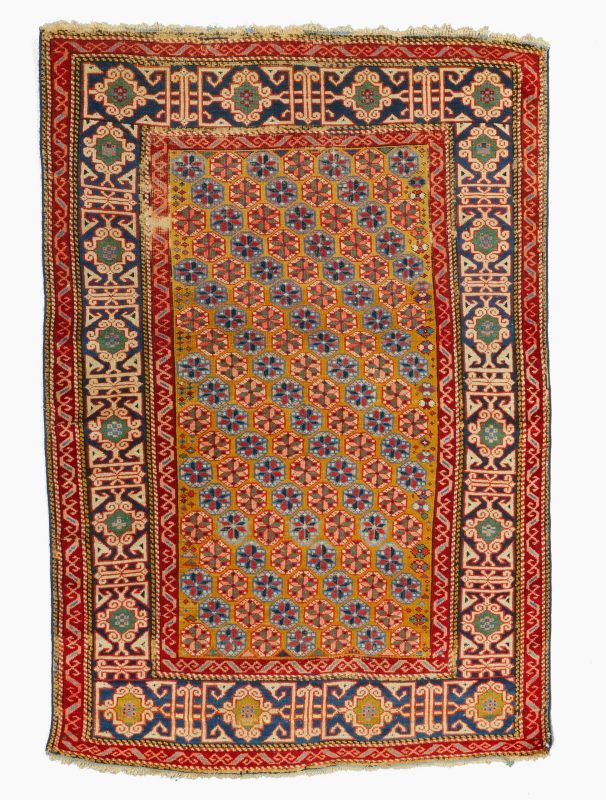
Antique Shirvan Rug
Antique Kuba Chi-Chi Rug




 Mimar Mehmetağa Cad. No:10 Sultanahmet / ISTANBUL