
16th Century Ushak Fragment
Period: 16th Century
Origin: Turkey
Dimensions: 120 x 150 cm
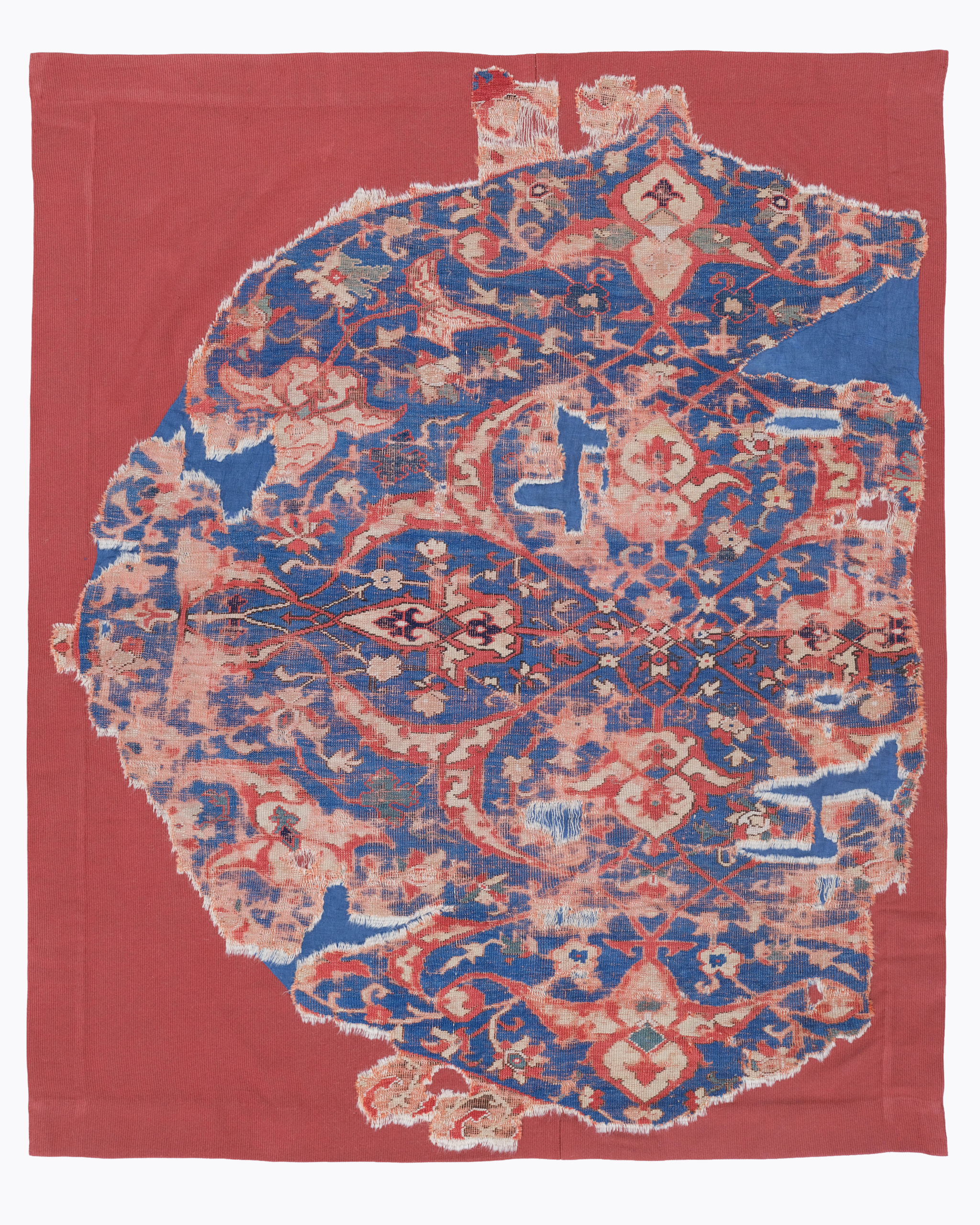
This rare 16th century ushak fragment highlights a powerful and rhythmic composition featuring a large scale curvilinear central medallion filled with intricate arabesque scrolls, split leaves, and lotus palmettes set within a rich cobalt blue ground. This structural balance between the monumental blue medallion segment complete with its finely detailed botanical fill and the surrounding red field remnants reflects the pinnacle of classical Ottoman West Anatolian Ushak court atelier craftsmanship world renowned for its grand medallion design system, imperial patronage, decorative clarity, and majestic graphic presence. Textiles of this extraordinary antiquity are celebrated for their ability to blend highly expressive imperial court design narratives with a striking heraldic pattern rhythm.
The color palette is masterfully balanced featuring a primary deep cobalt blue medallion ground contrasted by rich madder red, ivory, terracotta, and soft golden accents, mounted on a protective fabric backing that allows the intricate central curvilinear lattice to step forward dynamically. These rich and enduring tones achieved through the expert application of natural vegetable dyes over 400 years ago exhibit a characteristic gentle patina, soft historic abrash, and a refined wool texture that are hallmarks of the finest 16th century Ottoman court productions. The surviving central medallion section creates a powerful visual focus that highlights the superior hand spun wool quality and distinctive technical finesse of the master weaver.
Structural analysis indicates the use of premium hand spun wool woven with a characteristically resilient knotting structure and a supple handle despite severe historic fragmentation tailored for museum preservation or top tier private collections. The exceptional clarity of the classical Ottoman curvilinear outlines, specifically the perfectly balanced symmetry of the medallion arabesque layout, definitively distinguishes this antique masterpiece as an authentic 16th century ushak fragment production. Ultimately, this decorative textile stands as a premier example of classical Turkish court art representing a peak in both technical endurance and graphic majesty for global collectors.
Description
Additional information
| Size |
120 x 150 cm |
|---|
Related products
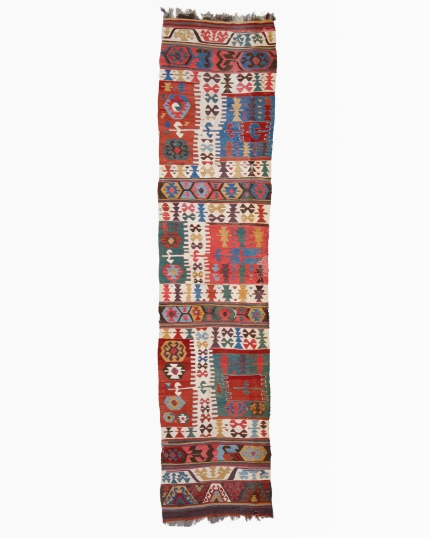
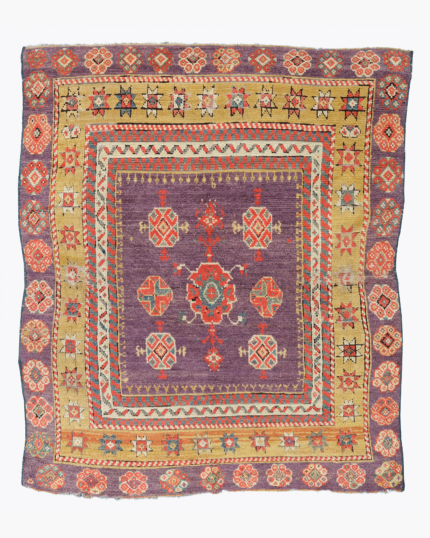
Early 18th Century West Anatolian Rug

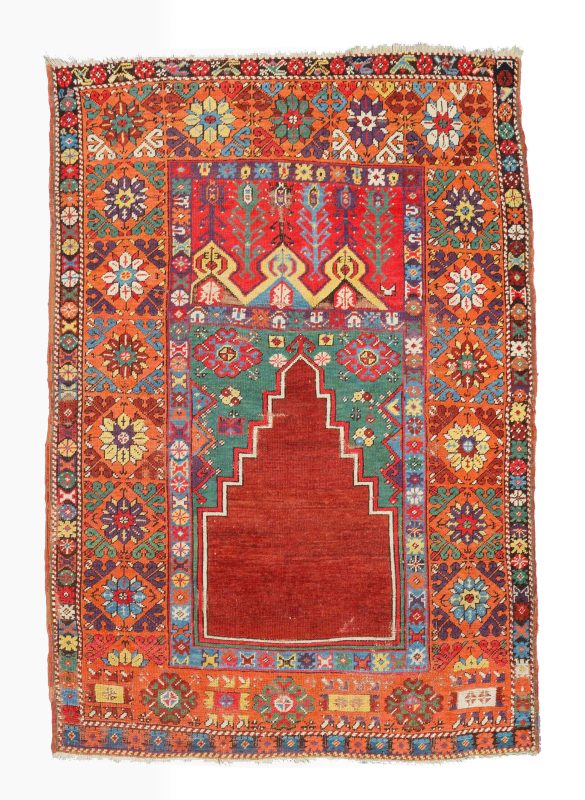
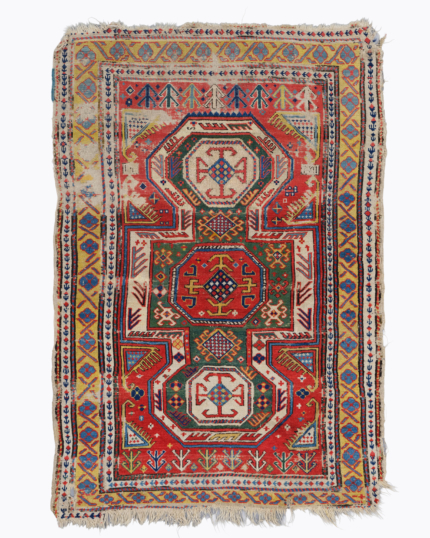
Antique Konya Rug


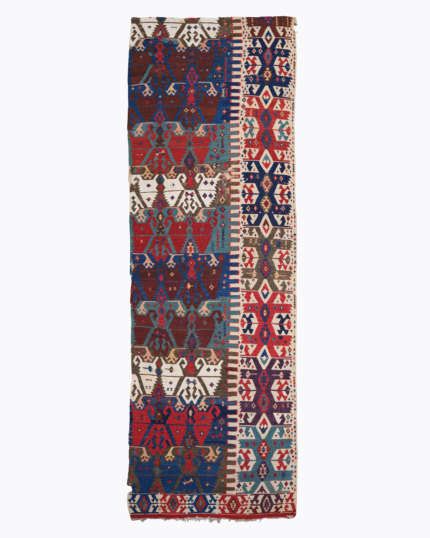
Antique Sarkisla Kilim




 Mimar Mehmetağa Cad. No:10 Sultanahmet / ISTANBUL